License and distribution boundaries
State whether the release is open source, source-available, or private; document use, modification, redistribution, commercial rights, attribution, trademarks, contributions, and release authority.
Publishing source or asking customers to run software changes what delivery means. The license, brand boundary, installation path, release artifacts, upgrades, backups, restoration, security reporting, support, and contribution model all become part of the product.
We help teams choose the right distribution boundary and build the packaging, documentation, recovery paths, and ownership model around it—whether the result is open source, source-available, or private software with a self-hosted option.
Explain the rights and limits that apply to source, dependencies, and branding. Open source and source-available are different promises.
Make the artifact, version, installation path, and upgrade guidance identifiable and repeatable.
Provide setup, configuration, troubleshooting, and update instructions that the receiving team can actually follow.
Document who controls infrastructure, access, configuration, and production decisions after handoff.
A backup needs a documented restore path. Show replacement scope and verify recovery for the failure modes that matter.
Read the steps for a complete explanation.
State whether the release is open source, source-available, or private; document use, modification, redistribution, commercial rights, attribution, trademarks, contributions, and release authority.
Design versioned artifacts, pinned installation paths, configuration and secret handling, persistent data, compatibility, migrations, release notes, update guidance, and rollback.
Define backup scope, restoration checks, recovery ownership, private security reporting, support channels, deprecation, maintainer responsibilities, and contribution boundaries.
The exact artifacts follow the distribution model, but the release should tell users and operators what they may do, how to run it, how to change it, and who owns each decision.
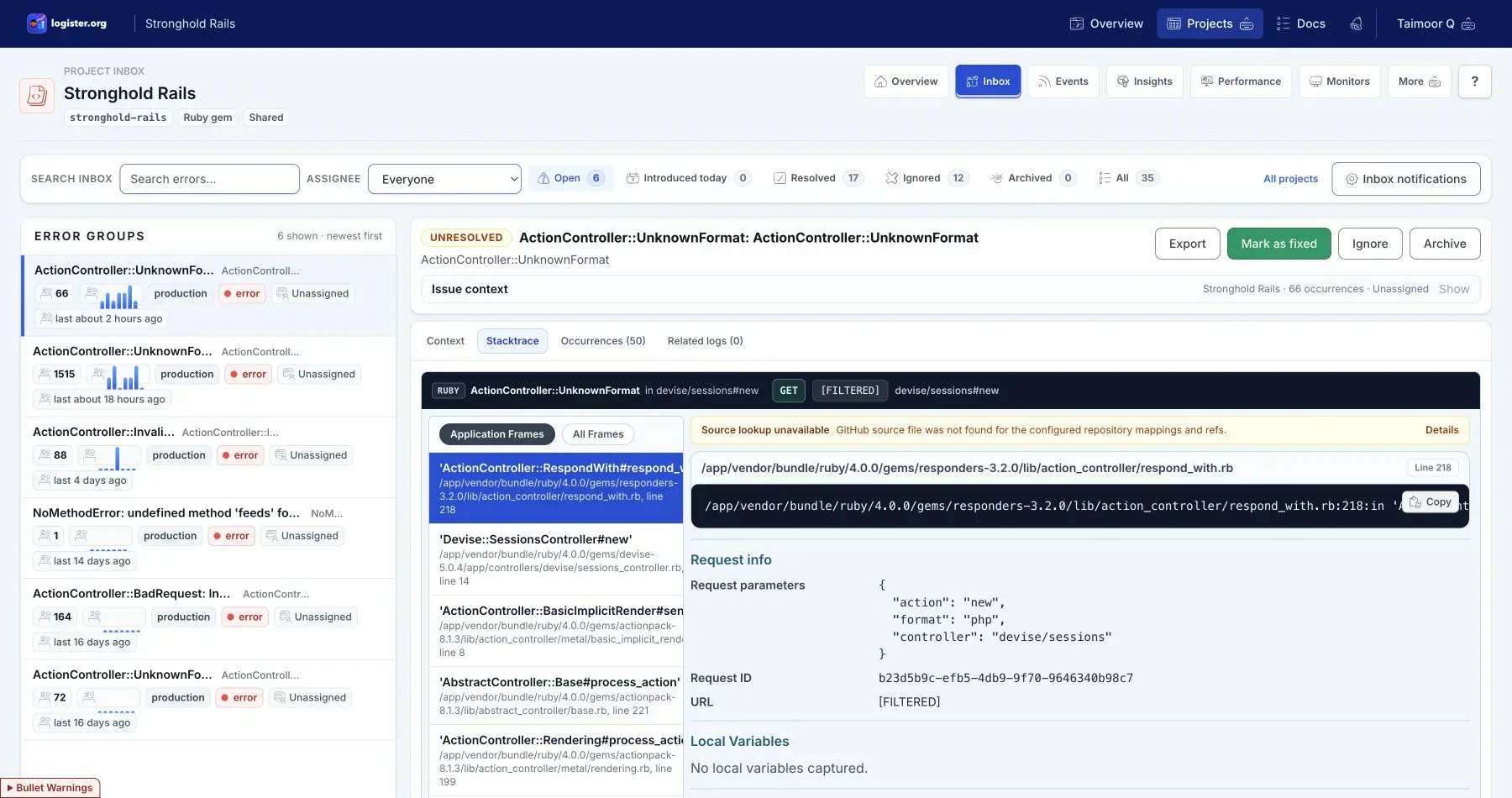
The license language matters. Logister is MIT-licensed open source. FinanceTracking.app is source-available under PolyForm Noncommercial 1.0.0 and is not open source.
Self-hosted error monitoring and bug triage with one dashboard for grouped errors, investigation, assignment, integrations, and operator-controlled deployment.
 PostgreSQLRecord owner
 Redis + SidekiqBackground work
 ClickHouseOptional analytics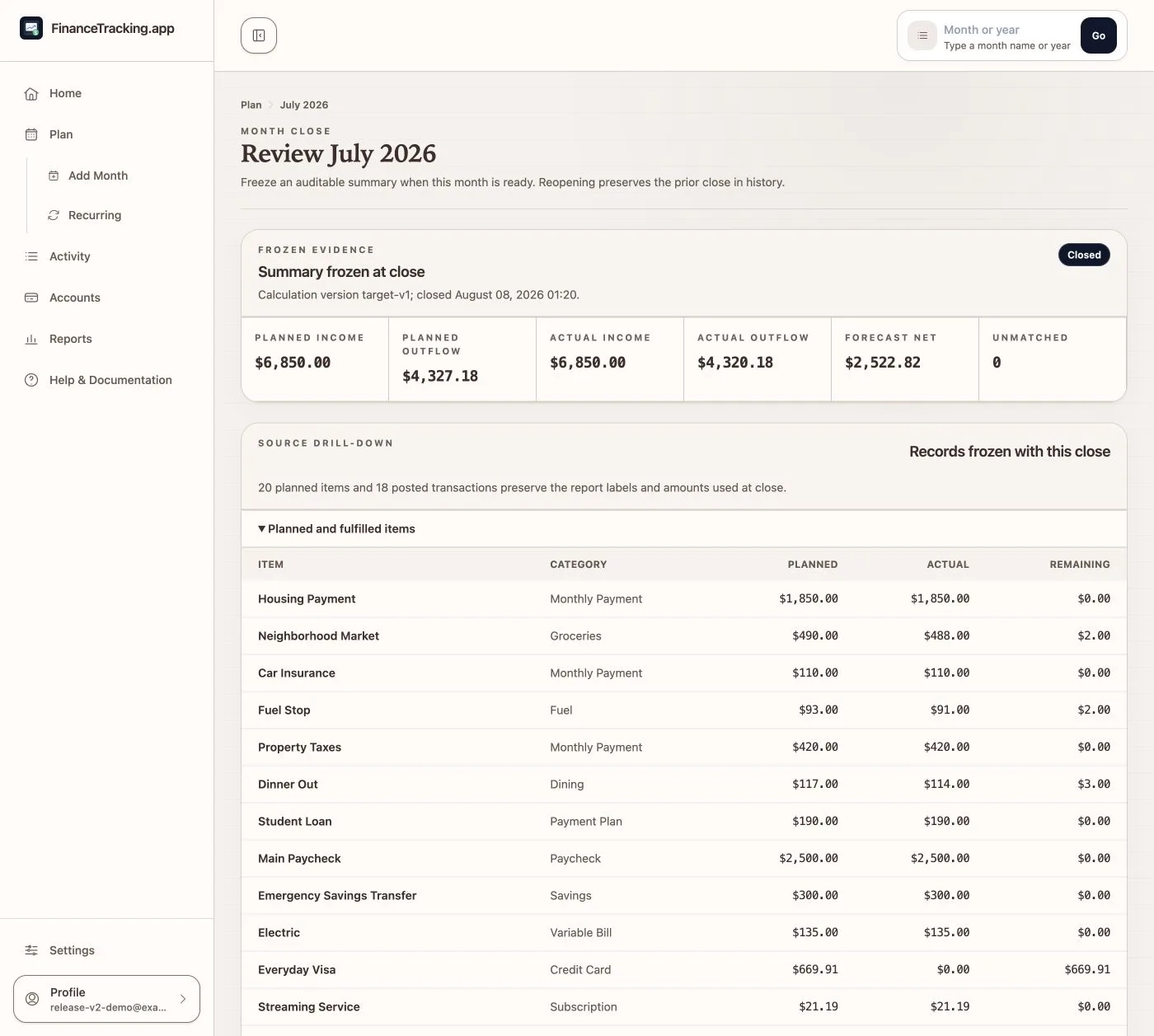
Closed-month totals and source evidence View full size (opens in a new tab)
A self-hosted monthly financial workspace for deliberate plans, confirmed activity, account evidence, source-backed reports, explicit period close, and recoverable backups without automatic bank sync.
Open or self-hosted distribution often depends on architecture, application, and integration decisions made before the release is packaged.